
Common practices
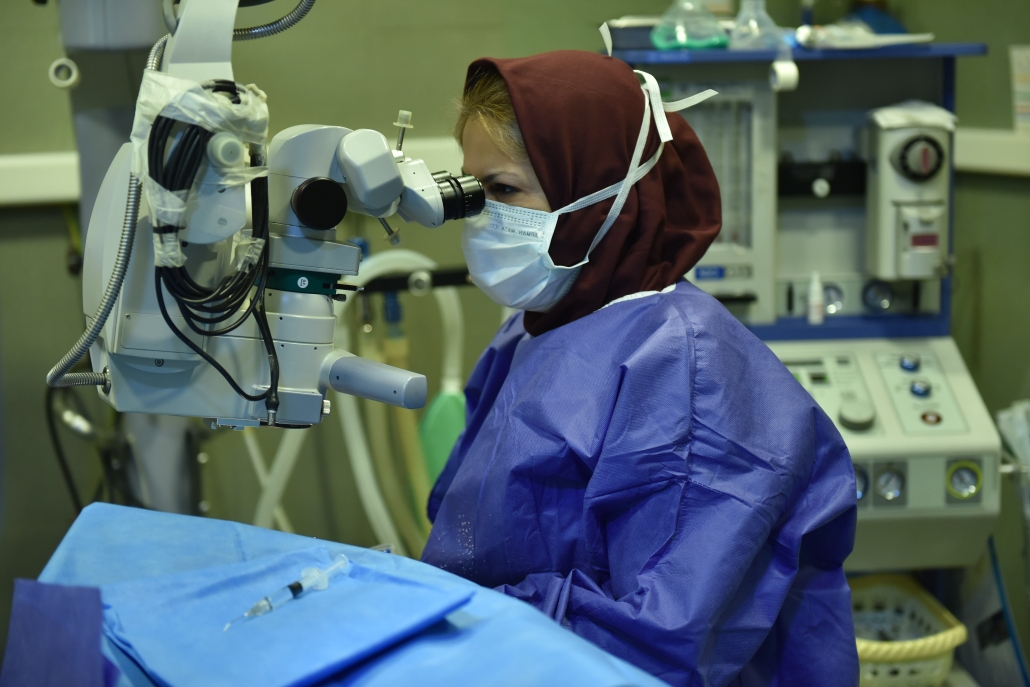
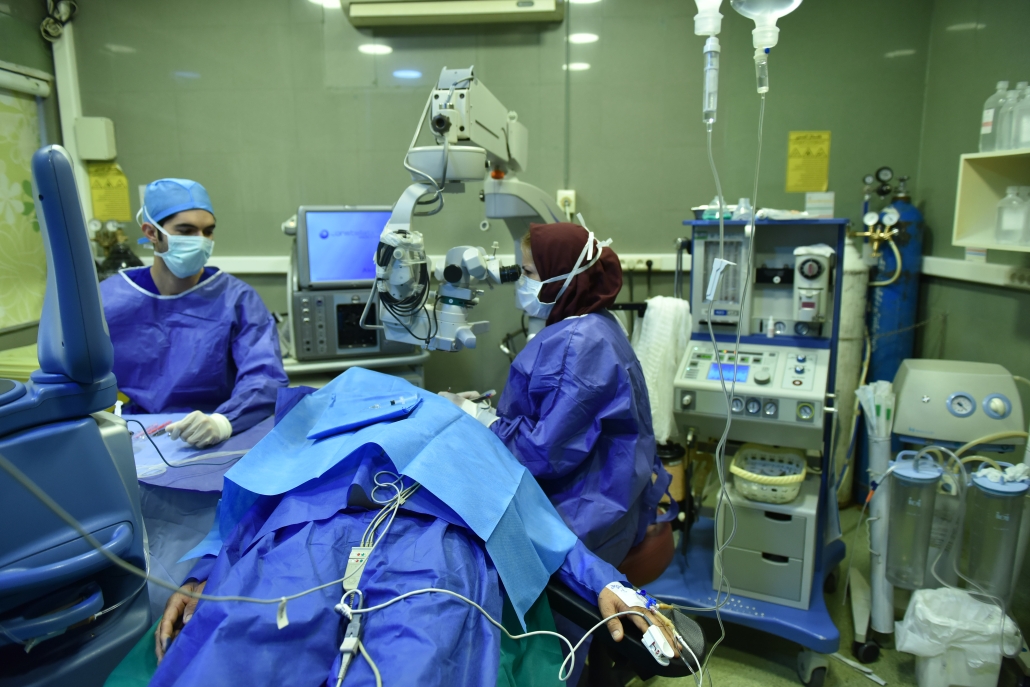
Cataract surgery
Cataract is the clouding of the lens of the eyes. This condition can cause vision problems when reading, driving and other daily activities. The most common type of cataract is age-related cataract. The decrease in the transparency of the lens of the eye is a natural process over time and the likelihood of developing this disease increases with age. Types of cataracts, based on the area of the lens that is affected: 1- nuclear 2- cortical and posterior subcapsular. Nuclear cataract: which causes cloudiness in the central parts of the lens and genetics plays an important role in it, which is accompanied by myopia.
Cortical cataract: affects the anterior, posterior or lateral part of the lens in the cortical area. Vision becomes different in very bright and brilliant lights. Sunlight is a factor in the damage of cortical cataracts.
Posterior subcapsular cataract: develops behind the posterior capsule. It is more common in young people and is more common with long-term use of corticosteroids – diabetes and trauma to the eyeball. Near vision decreases and the eye’s sensitivity to light increases.
Common symptoms of cataracts
- Painless blurred vision
- Sensitivity to light
- Frequent changes in eyeglass prescription
- Double vision in one eye
- Need for more light to read
- Reduced night vision
- Fading or yellowing of colors
Risk factors for cataracts
- Age
- Eye disease associated with cataracts
- Toxic factors (such as smoking – aspirin use – eye burns)
- Nutritional factors (malnutrition – obesity)
- Physical factors (injuries – perforation of the lens, exposure to sunlight)
- Systemic diseases (diabetes – Down syndrome – kidney disease – musculoskeletal disorders)
How are cataracts diagnosed?
A careful examination by an ophthalmologist can determine the presence and extent of cataracts, as well as any other problems that are causing reduced vision or discomfort. Other conditions may also cause reduced vision, especially problems with the retina or optic nerve. If these problems are present, complete vision may not be achieved after cataract surgery. If these problems are severe, even cataract surgery may not improve vision. Vision loss screening tests, ophthalmoscopy, and slit-lamp biomicroscopy are ways to determine the degree of cataract. The degree of cloudiness of the lens of the eye does not necessarily always correlate with the patient’s functional status. Some patients are able to perform normal daily activities despite clinically severe cataracts. In other people, whose degree of cloudiness is less, there is a disproportionate decrease in visual acuity, so visual acuity is a good measure of visual impairment.
Cataract Treatment:
There is no non-surgical treatment (inversion, eye drops, and glasses) for age-related cataracts or their prevention – natural treatment is preferable. Patients should be educated on ways to reduce the risk of cataracts, such as quitting smoking, losing weight, controlling blood sugar in diabetic patients, and wearing sunglasses outdoors.
Surgery is usually not performed if the patient’s vision is not so impaired that it prevents them from performing their normal activities. Therefore, the patient’s vision and level of functioning are the primary criteria for deciding whether to undergo surgery. In cataract surgery, the cloudy lens is removed from the eye and, in most cases, a permanent intraocular lens is placed in place of the natural lens, or the lens remains in the eye forever.
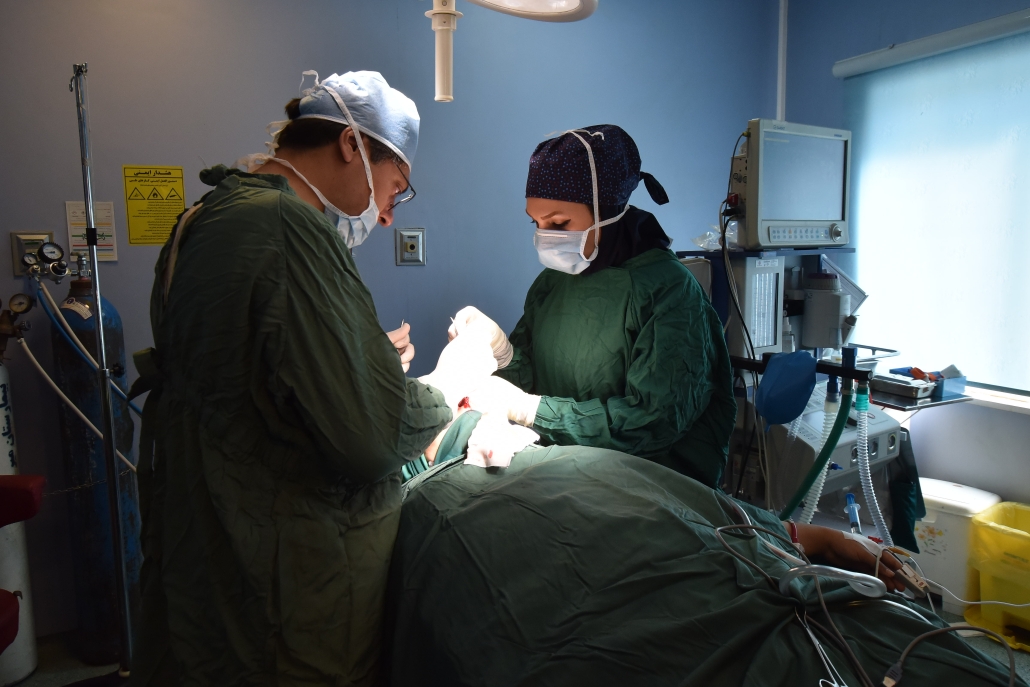
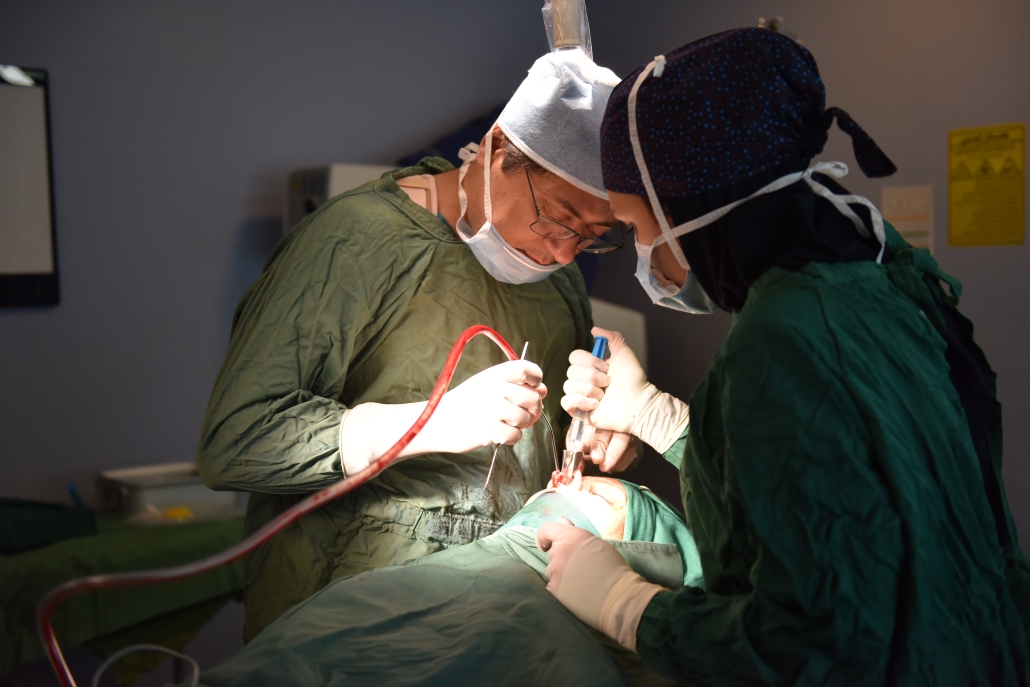
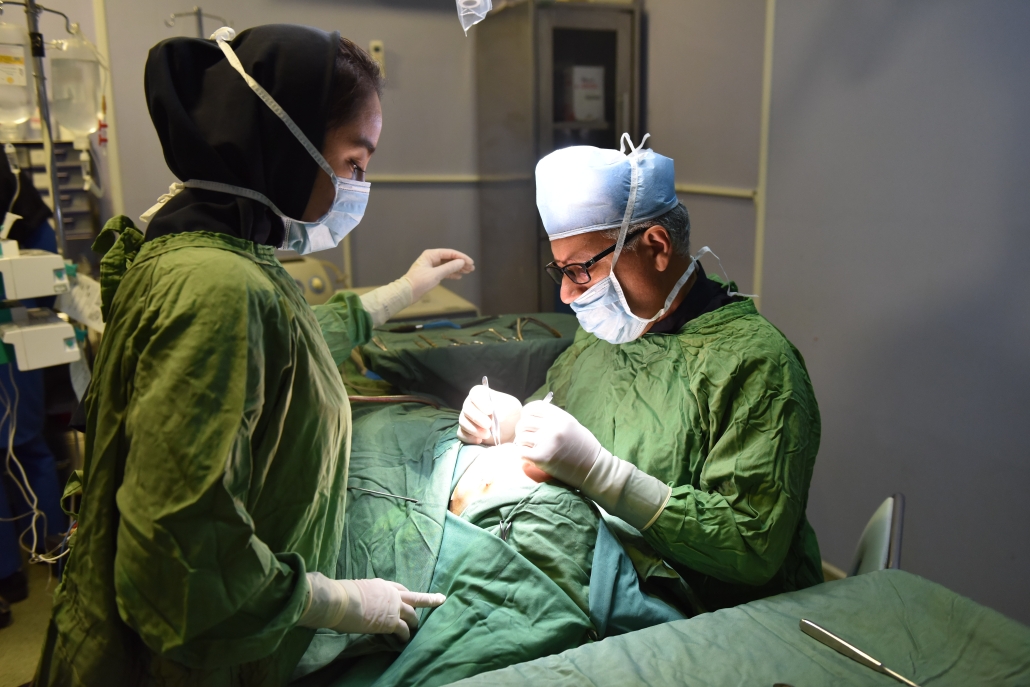
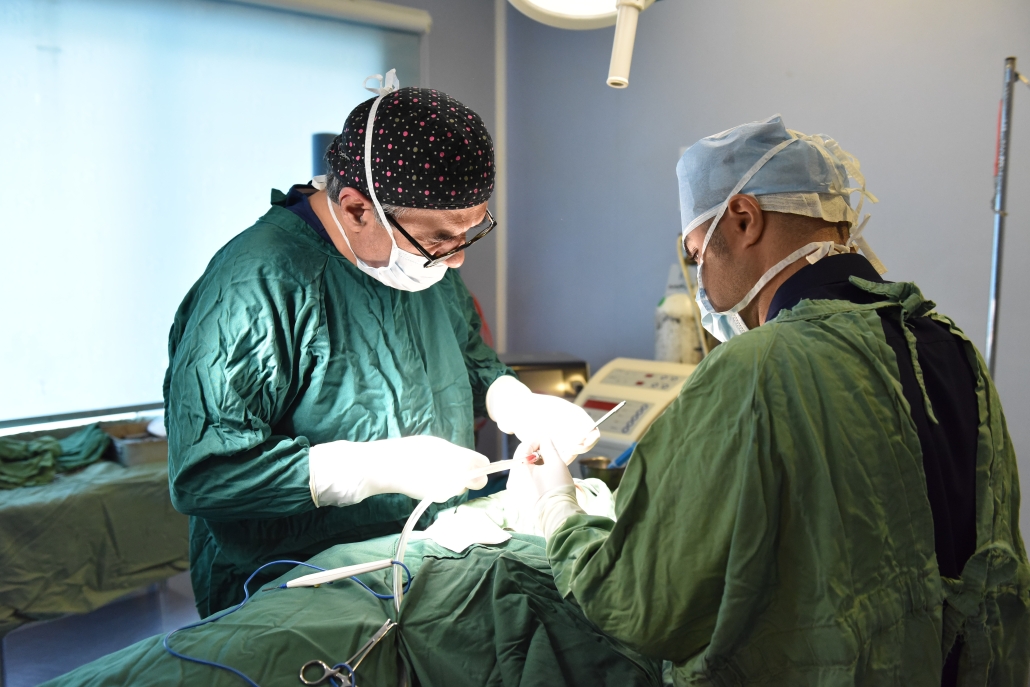
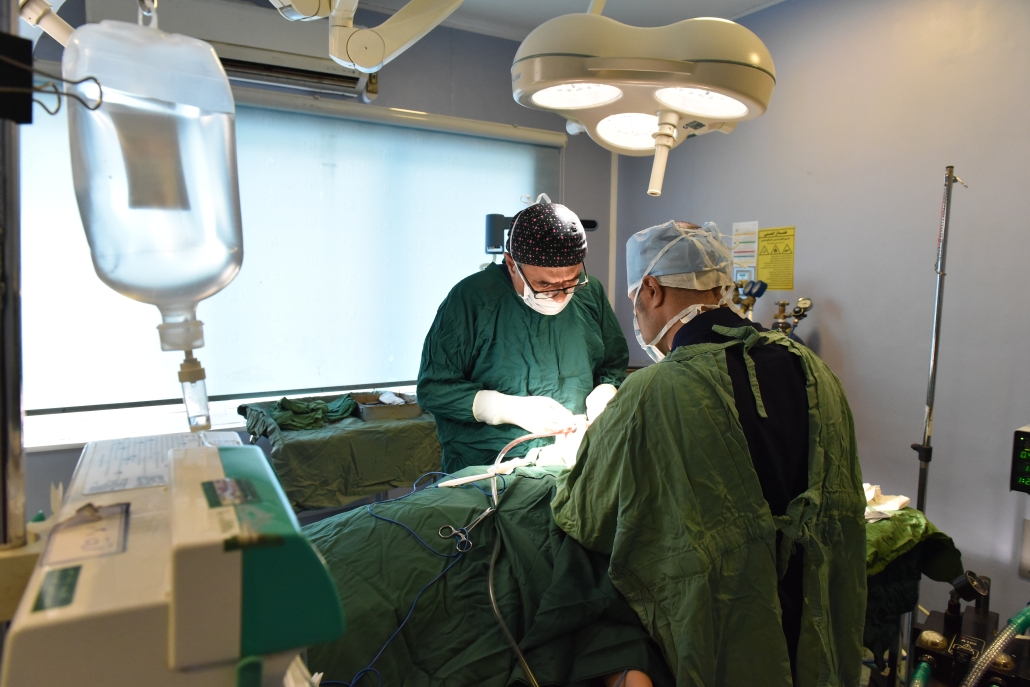
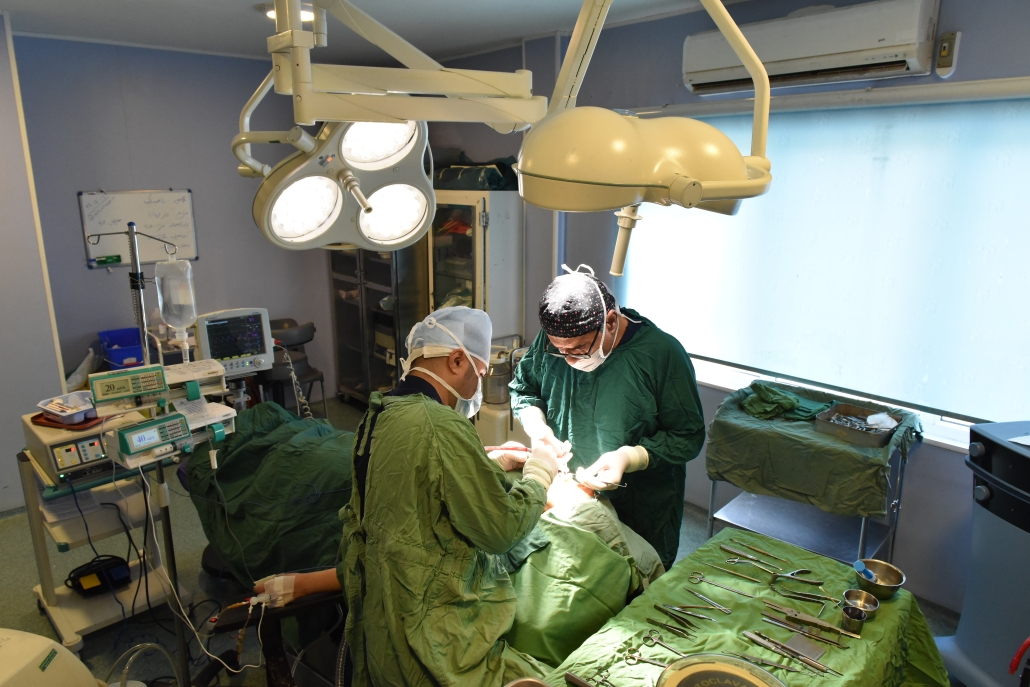
Rhinoplasty
Rhinoplasty is a surgical procedure that can be used to shorten or lengthen the length of the nose, change its shape, reduce the holes, or raise the tip of the nose.
*What are the limitations of this type of surgery?
The goal of rhinoplasty surgery is to make your nose look flawless and beautiful in your eyes and to eliminate your obsession with the defects of your nose. Therefore, it is most important that you are fully aware of the things you do not like about the shape of your nose and discuss your request with your surgeon.
*Before the operation
Before planning for rhinoplasty, you should consult with your surgeon about the important factors that will determine whether rhinoplasty is the right surgery for you:
Definition:
Rhinoplasty is a surgical procedure that can be used to shorten or lengthen the length of the nose, change its shape, reduce the holes, or raise the tip of the nose.
*What are the limitations of this type of surgery?
The goal of rhinoplasty surgery is to make your nose look flawless and beautiful in your eyes and to eliminate your obsession with your nose defects. Therefore, it is most important that you are fully aware of the things you do not like about the shape of your nose and discuss your request with your surgeon.
*Before the operation
Before planning for rhinoplasty, you should consult with your surgeon about the important factors that determine whether rhinoplasty is a suitable surgery for you:- Medical history will be reviewed.
- Testing will be done with the doctor’s advice.
- Avoid taking certain medications (with the doctor’s advice)
- Do not smoke.
Complications - Lung infection, especially in smokers
- Bleeding after surgery and in some cases up to 10 days after surgery
- Breathing problems in the first week
- Swelling and bruising
Postoperative care
- After surgery, the person should rest with the head elevated, which is necessary to reduce bleeding and swelling.
- It is normal to have slight bleeding and mucous discharge from the nose for a few days after surgery.
- Avoid strenuous activities such as aerobics and jogging.
- Do not swim.
- Do not blow your nose.
- Avoid eating foods that require a lot of chewing.
- Avoid sudden facial expressions such as smiling or laughing.
- Brush your teeth gently so that your upper lip does not move too much.
- Wear clothes that open in the front. Do not pull tight clothes over your head.
- Avoid wearing glasses on your nose for 8 weeks after surgery.
- Cold compresses are helpful to reduce swelling and bruising around the eyes.